Warehouses and distribution centers have never had access to more inventory data. RFID technology, Warehouse Management Systems (WMS) and increasingly connected operations make it possible to track thousands of products as they move through the fulfillment process.
But having RFID does not automatically mean having continuously validated inventory.
Products are received, stored, moved, picked, replenished and shipped every day. With so much movement, discrepancies can gradually appear between the inventory recorded in the system and the products physically present in the warehouse. An item may still be inside the facility but no longer be correctly reflected in the WMS, while another may appear available in the system but be difficult to locate.
For RFID-enabled warehouses, this creates an important opportunity: move beyond collecting inventory data and use that infrastructure to validate inventory more frequently and turn discrepancies into action.
This is where autonomous inventory solutions such as StockBot can play a role.
When inventory data stops matching reality
Inventory accuracy affects much more than knowing how many units are inside a warehouse.
The information stored in the WMS guides decisions throughout the operation: which products are available for an order, where they should be picked, whether replenishment is necessary and, ultimately, whether an order can be fulfilled. This means that even a relatively small inventory discrepancy can have consequences further down the process.
Consider a product that has been moved but has not been correctly reflected in the system. The unit still exists and has value, yet it may no longer be available to the operation. A picker may have to search for it, another unit may be replenished unnecessarily, or the product may simply remain unused.
A particularly valuable case is hidden stock: products that are physically present in the warehouse but are unavailable or incorrectly represented in the system. The stock still exists and retains its value, but the operation may be unable to use it until the discrepancy is identified.
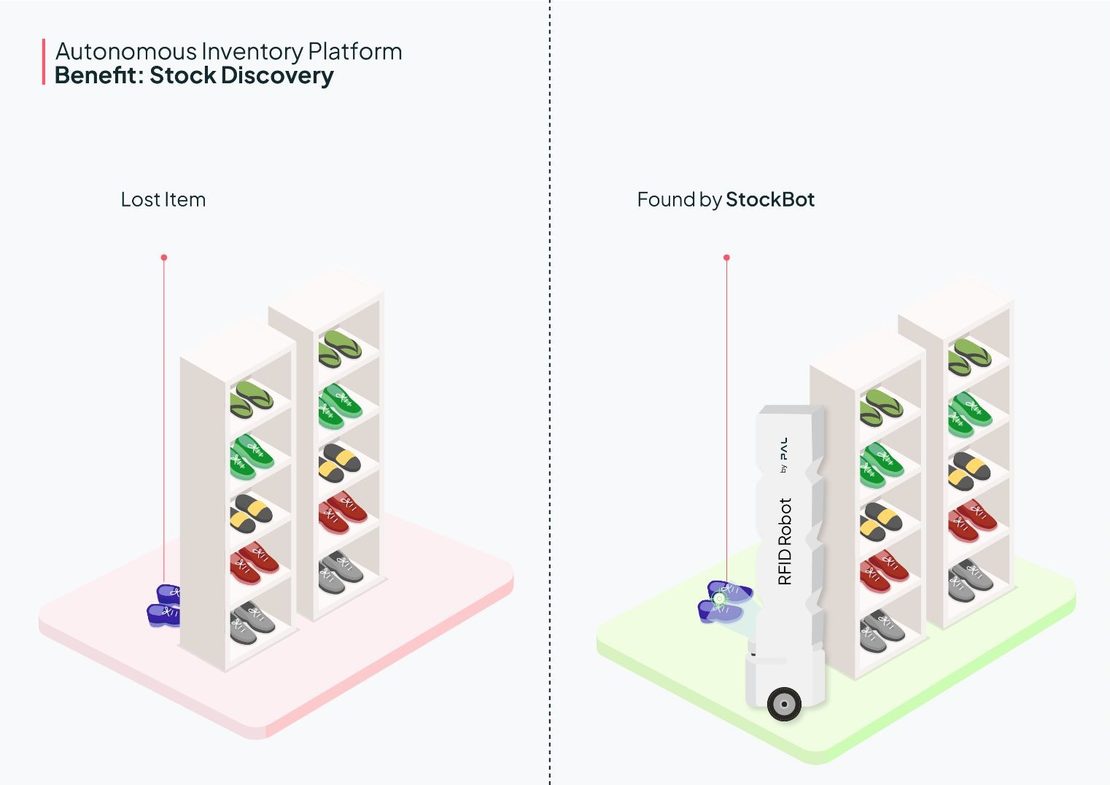
The reverse can also happen. Phantom inventory appears when the system indicates that a product should be available, but it cannot actually be found. The discrepancy may only become visible when someone tries to pick the item, the picking process may require additional checks and investigation.
Hidden inventory and phantom inventory represent opposite sides of the same problem: physical inventory and digital inventory no longer match.
When the discrepancy reaches the customer
Inventory discrepancies become particularly costly when they begin to affect fulfilment. If the WMS indicates that a product is available but it cannot be found, an order may be delayed or cancelled. Conversely, if a product is physically present but not correctly reflected in the system, sellable inventory can remain unused even while demand exists.
In both cases, an inventory accuracy problem becomes an operational and commercial one: more time spent investigating discrepancies, greater pressure on warehouse teams and fewer opportunities to convert available inventory into fulfilled orders.
During peak sales periods, when stock moves faster and fulfilment deadlines become tighter, identifying these discrepancies early becomes even more important.
What changes when inventory validation becomes autonomous?
RFID gives warehouses a powerful infrastructure for identifying products, but the frequency and coverage of inventory checks still depend on how RFID data is collected. Periodic manual counts provide a valuable snapshot, but inventory starts moving again as soon as the count is completed.
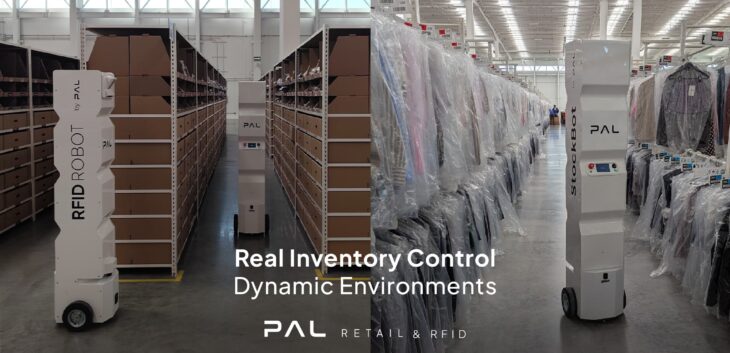
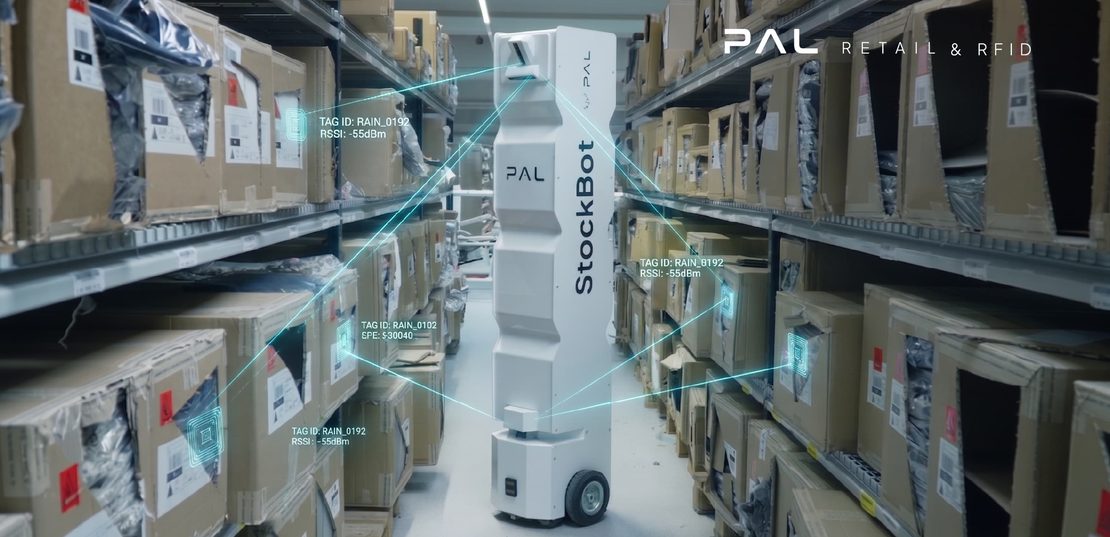
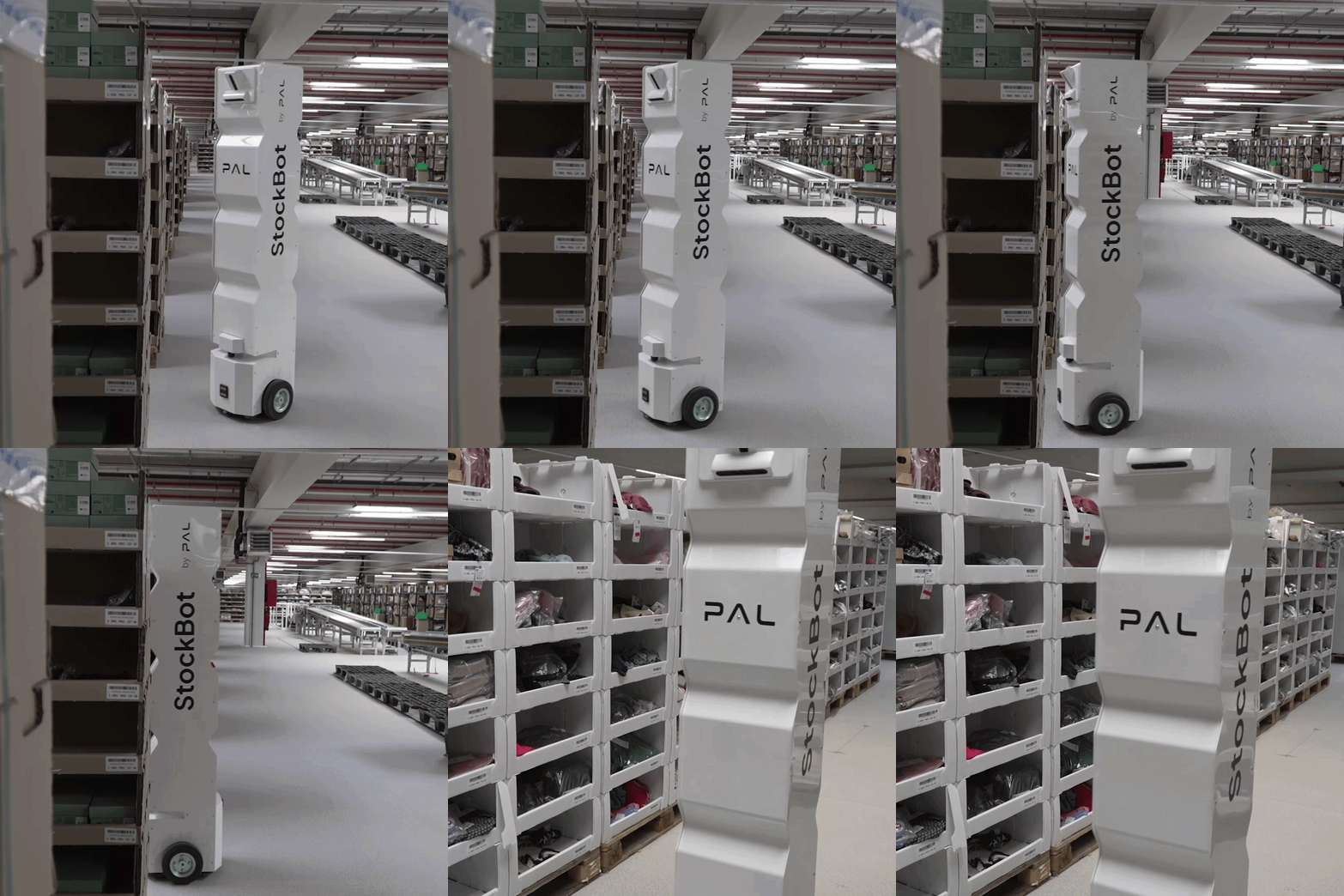
StockBot adds autonomous mobility to the RFID infrastructure already in place. By combining autonomous robotics with RAIN RFID, the robot moves through the warehouse performing recurring inventory scans and collecting data from RFID-tagged products. This information can then be compared with WMS records to reveal where physical and digital inventory may no longer match.
The result is a shift from periodic inventory checking to recurring inventory validation, without requiring warehouse teams to repeatedly perform complete manual counts.
More importantly, the objective is not to generate more inventory data. It is to make that data actionable. Instead of asking teams to search broadly for potential inaccuracies, StockBot helps identify the products and areas where discrepancies require attention.
Instead of relying on teams to repeatedly perform complete manual counts, autonomous scanning makes inventory validation a recurring part of warehouse operations.
When discrepancies are identified, teams gain a clearer starting point for investigation. Rather than spending time checking inventory indiscriminately, they can focus their attention on the products, locations or areas where physical and digital inventory do not match.
The result is a more targeted approach to inventory control: automation provides the visibility, while warehouse teams focus their effort where intervention is actually required.
RFID is already there. What’s next?
Many warehouses have already taken an important step by implementing RFID. The infrastructure is there. Products are tagged. Data can be collected. The next step is to make that data more actionable by integrating autonomous inventory validation into everyday warehouse operations.
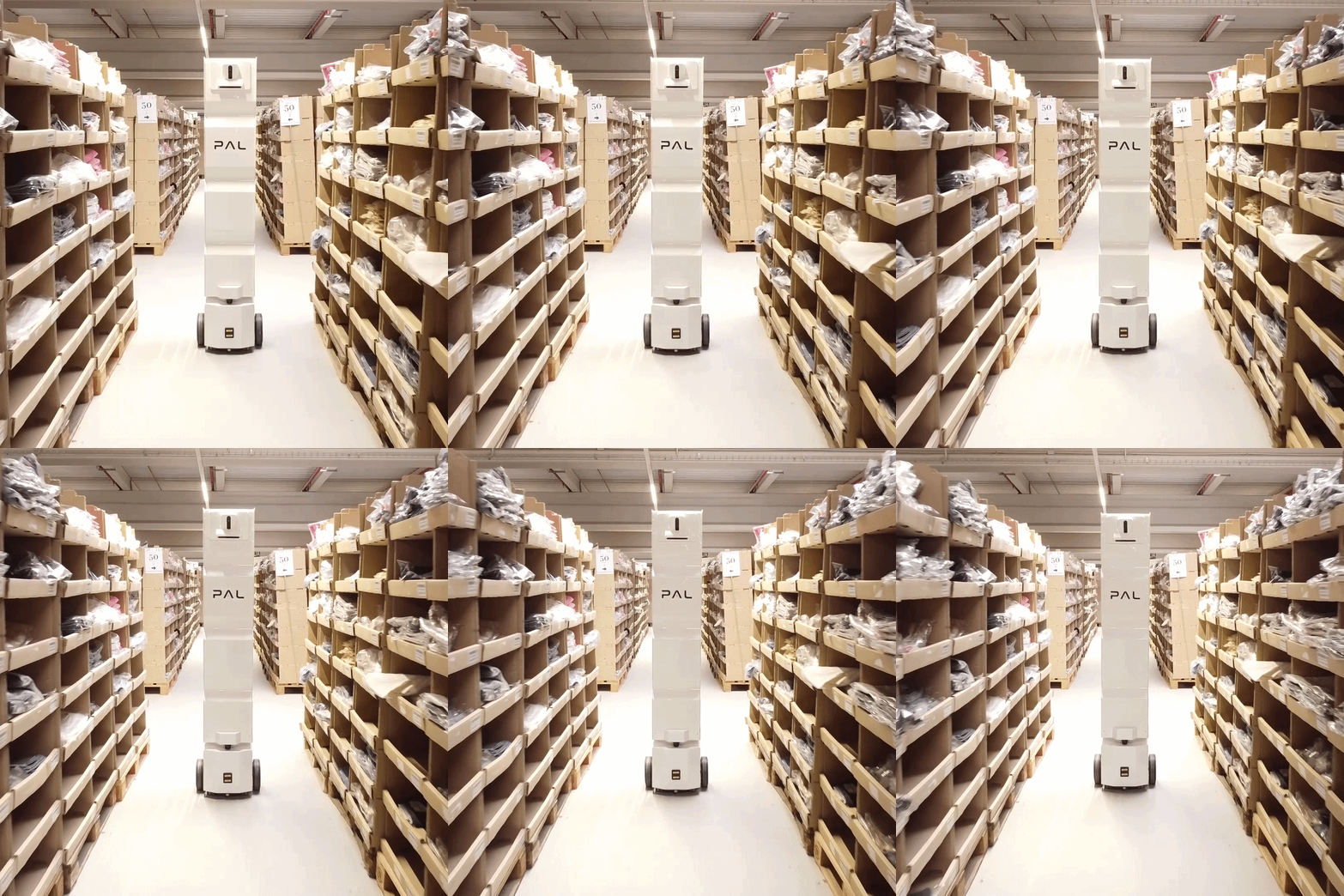
At Tendam’s distribution center, autonomous RFID inventory is already part of warehouse operations. StockBot regularly scans RFID-tagged inventory, helping teams compare what is physically detected in the facility against system inventory and focus their attention on discrepancies.
RFID gives warehouses the ability to identify products digitally. The next opportunity is to make that visibility autonomous, frequent and operationally actionable.
By bringing RFID data collection directly into warehouse operations, StockBot helps turn existing RFID infrastructure into a recurring inventory validation process, allowing teams to identify discrepancies earlier and focus their effort where intervention is actually needed.
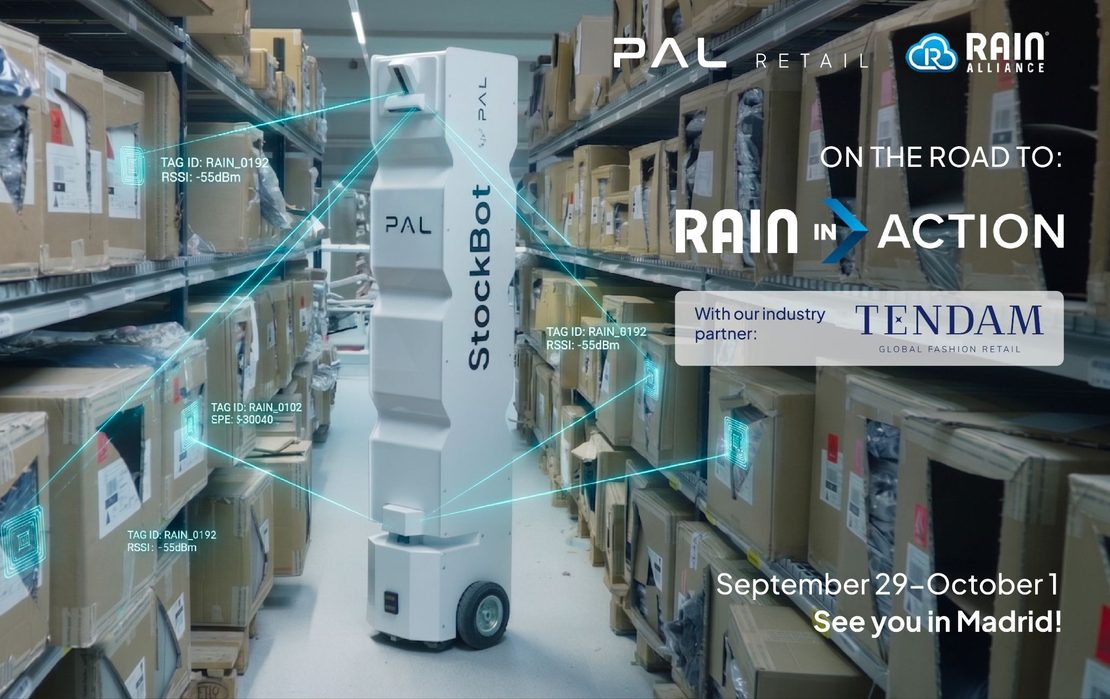
This real-world use case will also be discussed at RAIN in Action 2026 in Madrid. On October 1, PAL Robotics and Tendam will share their experience in the session “End-user Spotlight: Closing the Gap Between System and Physical Inventory in Distribution Centres.”
Join us to discover how autonomous robotics can extend the possibilities of your existing RFID infrastructure.
- Intralogistics
- Logistics
- Retail
- StockBot
- Warehouse