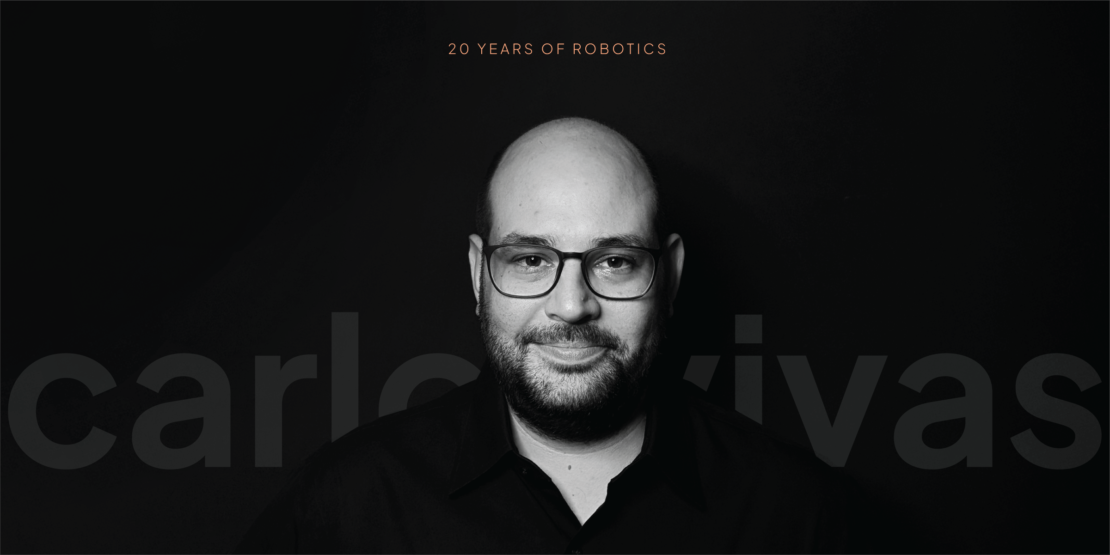
Carlos Vivas joined PAL Robotics in 2014 and has been working with the business strategy and growth since his early days in the company. Eleven years on, he reflects on building a resilient company, nurturing a community, and why robotics has always been, at its core, human.
At PAL Robotics, we believe the people behind the robots are just as important as the technology itself. That’s the idea behind the Humans of PAL series — and for our latest feature, we sit down with Carlos Vivas, the kind of person who thrives in a company of 20 people where the job title on your contract bears almost no resemblance to what you actually do each day.
Carlos joined in 2014 with an unusual combination: an Informatics Engineering degree from the Polytechnic University of Barcelona (UPC), and also a Psychology degree from the University of Barcelona (UB). He came from the startup world, he had never touched a robot, and he was, in his own words, “not really sure robotics was the right direction.”
Eleven years later, he is PAL’s Chief Business Officer, and the company he helped steer — always fully European owned, always investor-free — continues to grow. We sat down with Carlos to talk about what it takes to build and thrive in this ecosystem.
What drew you to robotics in the first place and what made you decide to join PAL Robotics?
“As soon as I joined, I felt like a kid again — I’d discovered a door to a new universe full of possibilities.”
My background is a mix of tech and people, so I’ve always been fascinated by how technology can influence our lives, shape our decisions and help us evolve as a society. For me, marketing has always been the practical expression of that curiosity – understanding what’s behind the choices people make and what drives them.
Initially, I wasn’t sure robotics was the right direction for me. I had no prior experience with robots, so it felt like unknown territory. But the more I learned, the more it felt like robotics was the perfect intersection of everything I was interested in. It’s a field where every discipline— engineering, computer science, AI and even societal trends—comes together to build something greater.
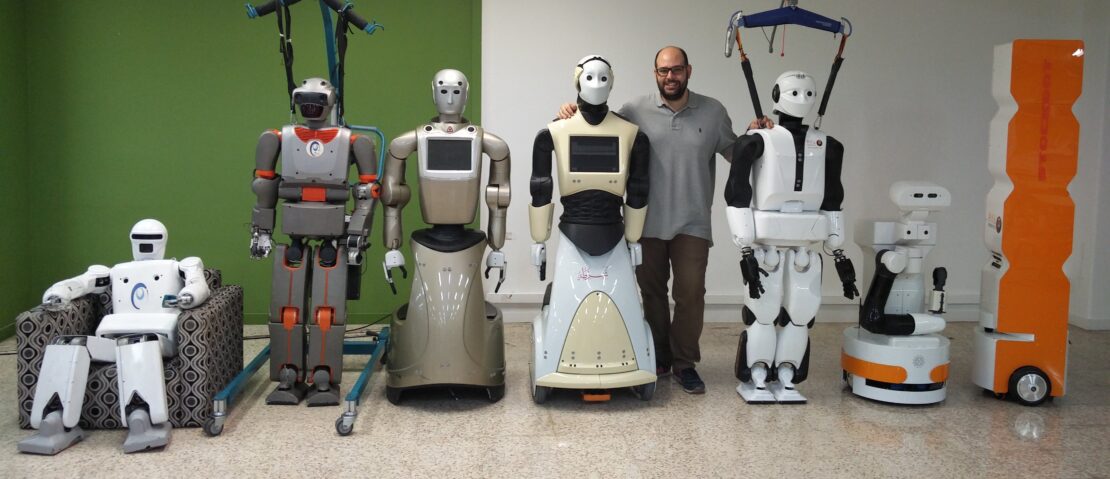
When I first joined PAL Robotics, I felt like I’d stepped into a new universe with endless possibilities to explore. It brought back that childlike curiosity I’d had years ago.
What were your first years at PAL actually like?
When I joined, the company had around 30 people. Coming from a startup background, I knew job titles matter far less than the drive to get things done – I was actually recruited within the software team – and PAL was at a real moment of transition. New platforms were being defined, the team was growing, and there was a lot to build on the business side.
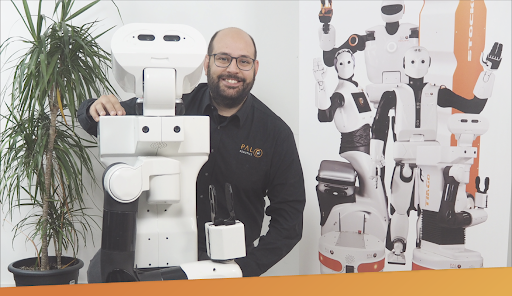
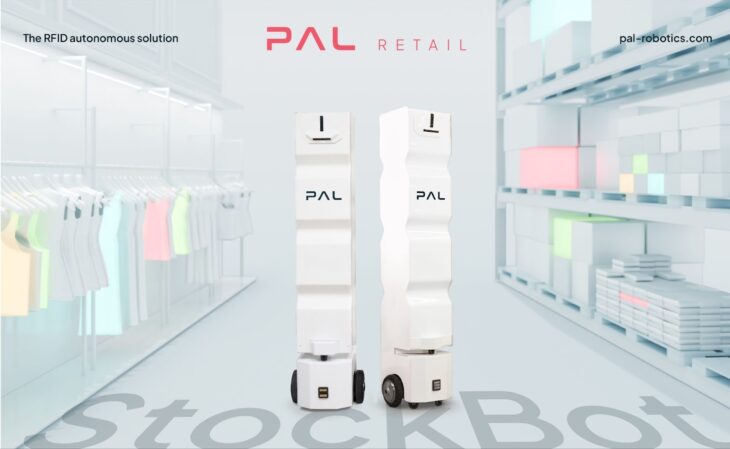
I got involved in the product definition and market entry of TIAGo, Stockbot, ARI, TALOS and later, KANGAROO. That meant everything from shaping the product strategy to attending events, building partnerships, and following up with research institutions and customers around the world.
It was a hands-on, fast-paced start, and it was so greatly rewarding to arrive at the perfect moment, when we were defining the next generation of platforms that would carry the company forward. You basically had to be ready for everything.
What makes PAL different as a company?
The first thing that struck me was how human it felt. Most companies put business first, but here the engineers were always pushing to do something technically new, even when it would have been easier to play it safe. That comes from the top, Francesco Ferro, our CEO and co-founder, who has always led with energy and motivation.
That energy has stayed with us and has also shaped the business side of the company. It’s part of our DNA to not always walk the easy path. At PAL, the focus wasn’t on corporate politics or rigid hierarchies, it was on innovating and pushing forward robotics boundaries. That sense of purpose is something I hope we never lose.
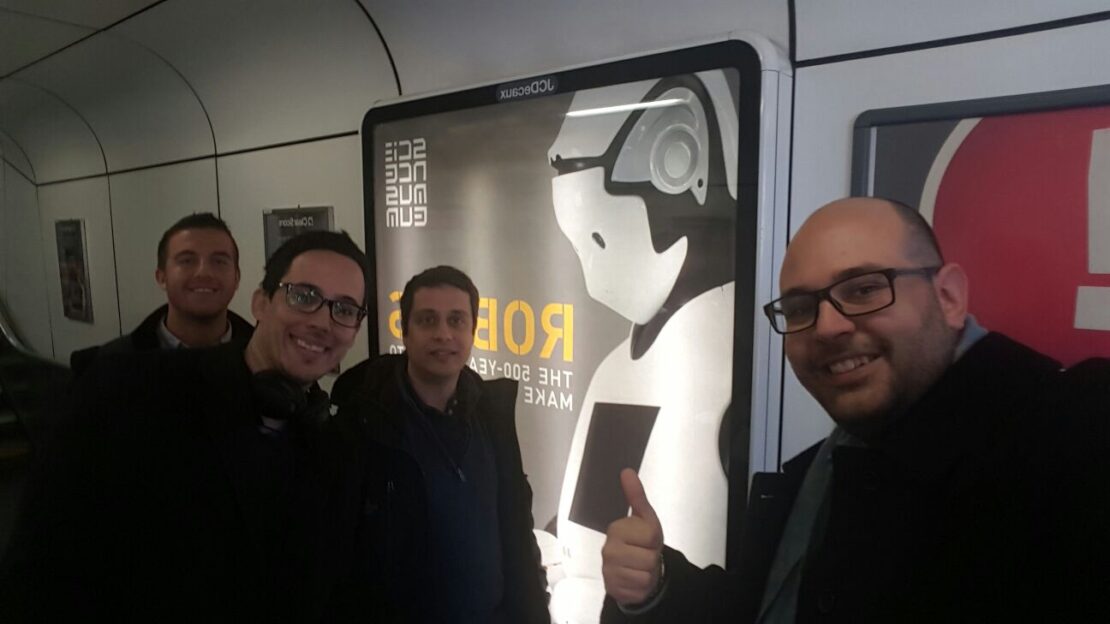
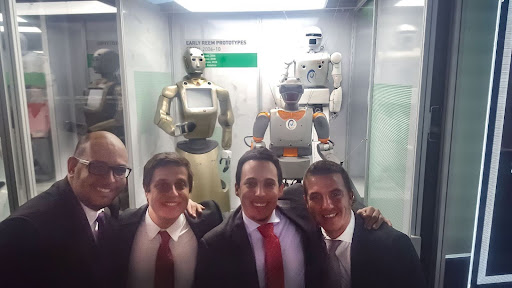
Another thing that makes this company different is our values. PAL has always focused on civilian, human-centred robotics, such as healthcare, research, retail or assistive care. That’s not just a market decision, it’s who we are.
Also, we’ve always stayed fully European. There are no outside investors, no acquisition, no ownership outside Europe. That matters to us, and it shapes the way we work and the decisions we make.
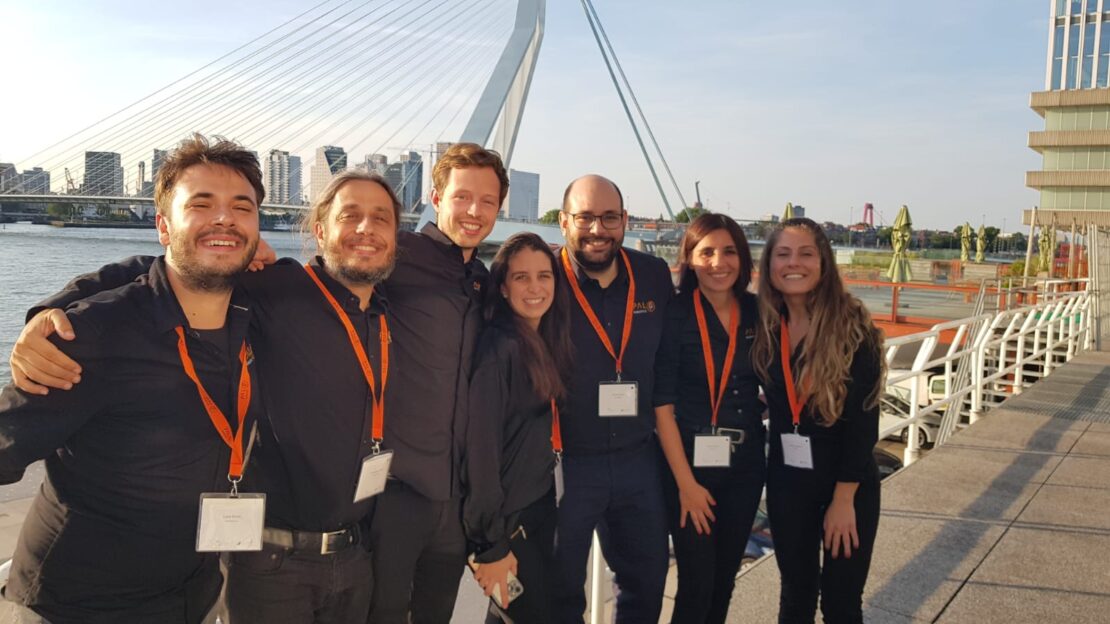
You joined PAL Robotics when it was still a small team. Today, the company has grown to more than 100 employees across three countries. What has it been like to help the company reach its current size and continue to grow?
It’s been an incredible journey, one that often felt like building a plane mid-flight. You need to constantly prioritize what’s most urgent and adapt quickly, which can be challenging for newcomers, but once you embrace it, it becomes a true adventure.
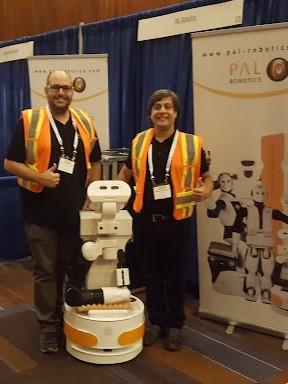
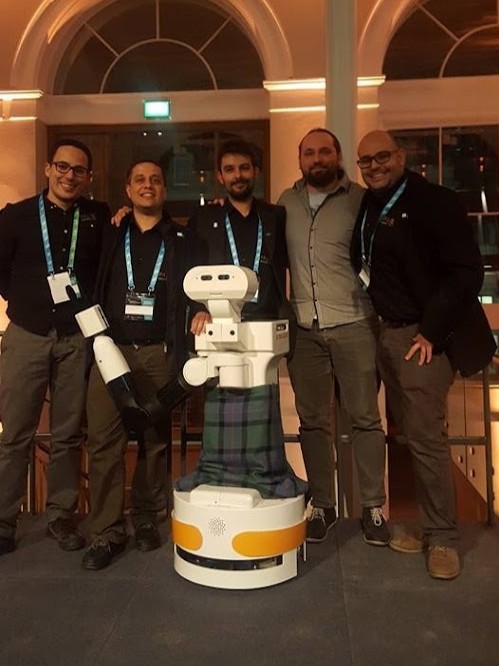
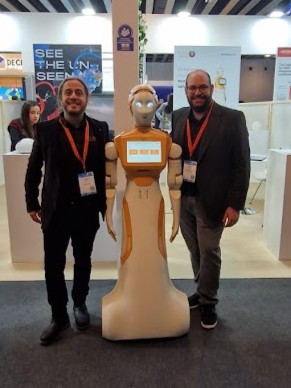
One of the things I’m proudest of is that we’ve managed to grow organically and that we don’t have investors, it’s not the easiest path. Without investors, there’s no safety net, every risk has to be calculated, and you have to deliver, consistently, for your customers and partners. But it’s also what has made us resilient. We’ve had to be deliberate about growth, we’ve had to really listen to the people using our robots, and we’ve never had to compromise our direction to satisfy a funding round.
Every year, for the past two decades, we’ve proven that steady, healthy growth is possible in robotics if you stay committed and adapt wisely. I trust that we will always be working to bridge the gap between research and reality. The goal has never been the robot for me, but the people we can help.
How has the field of robotics changed since you started at PAL Robotics? What role do you think PAL Robotics has played in these industry shifts?
The transformation has been significant. Over the years, PAL has played a leading role in several areas, from humanoid robots to mobile manipulators and social robotics.
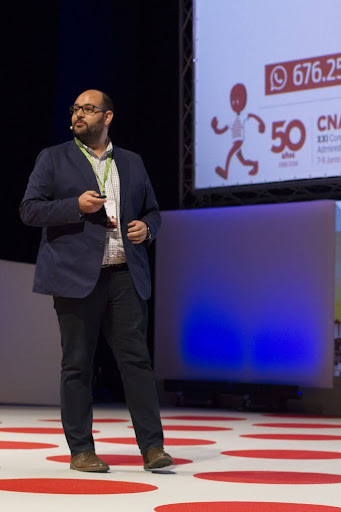
I believe venture capital can be positive when it’s used responsibly, but it has to be aligned with the realities of this industry, which demands patience, persistence and long-term vision.
I’ve watched a lot of well-funded robotics companies rise and fall, some of them European companies that ended up acquired or shut down. Robotics is complex. Funding alone doesn’t make a robot work. What makes it work is patience, persistence and staying close to the real problems people need solved.
That’s also why I’m involved in communities like euRobotics, Hisparob, AER and the Labora assistive robotics group in Catalonia. European SMEs need shared infrastructure and a collective voice, and this is something that no single company can build alone
Where do you envision PAL Robotics in the next 20 years?
That’s a tough question! I see us expanding to new cities and countries, and continuing to grow our team while preserving the spirit that makes PAL unique.
I hope we’ll see robots become a familiar part of daily life, assisting people in their homes, supporting caregivers and improving quality of life on a large scale. Being part of that transformation would be incredible, and I think PAL will remain pivotal for the European robotics ecosystem as we continue being disruptive!
The next 20 years is about going further. And I’m lucky to be doing it alongside a great leadership team — Francesco, Luca, Sarah, Jordi, Narcís, Ale and many others — who genuinely believe in that same direction and who share the same spirit that got us here.
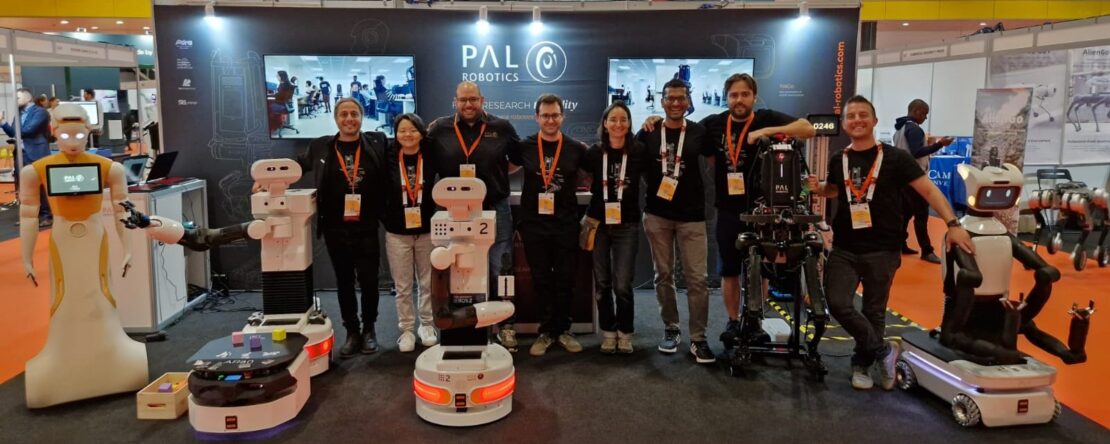
To which of PAL Robotics’ previous or current robots do you relate the most?
After more than a decade, it’s hard to pick just one; It’s like picking your favorite kid, they are always the favorite in something specific. However, If I had to choose, I’d say TALOS, TIAGo, and StockBot.
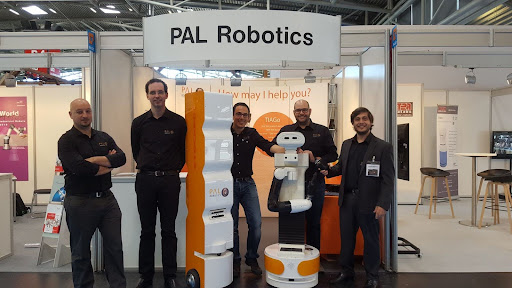
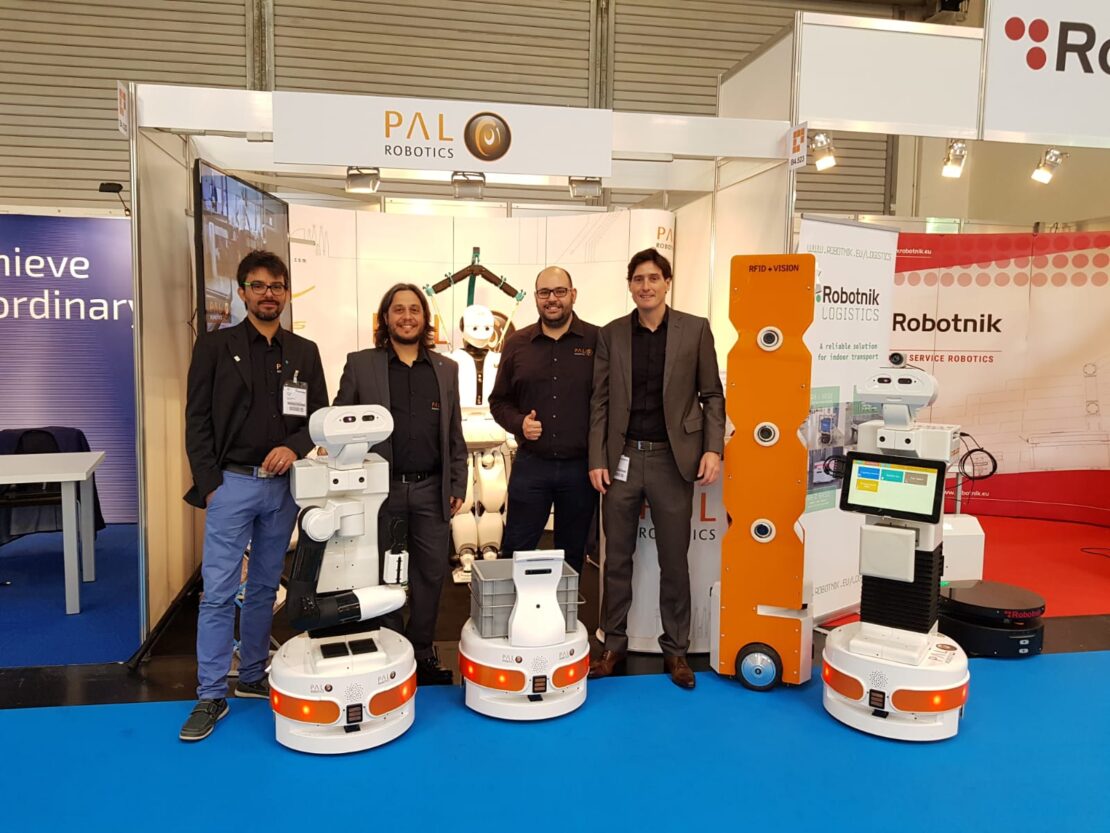
TALOS because it put European humanoid research on the map. It’s the robot that showed torque-controlled humanoids could be serious research platforms, not just a demo.
TIAGo because it became something bigger than we imagined. It’s in labs on every continent, it’s winning world championships, and it has become the foundation that everything since has been built on. It basically laid the groundwork for our approach to mobile manipulation.
Lastly, Stockbot, because it was our first robot that went out into the world and just worked, at scale, in a completely new industry. That one felt like crossing a real threshold.
A word of thanks
None of what I’ve described here happened because of one person. It happened because of the teams I’ve had the honor to work with and lead over these eleven years.
In robotics, the technology gets the headlines. But what stays with you is the people. Colleagues who became friends. Partners who took a chance on us before we’d proven ourselves. Researchers who pushed our robots further than we thought possible. Strangers at a tradeshow who turned into long-term collaborators. Eleven years in, that’s the part of this job that still surprises me, how far the community stretches, and how much it keeps growing.
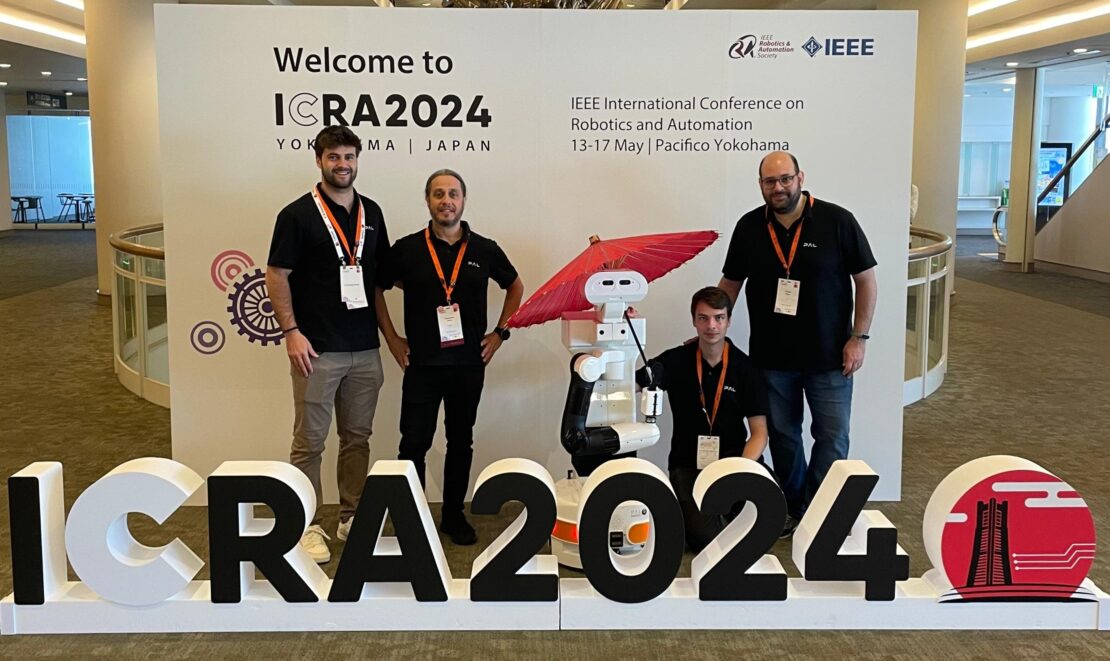
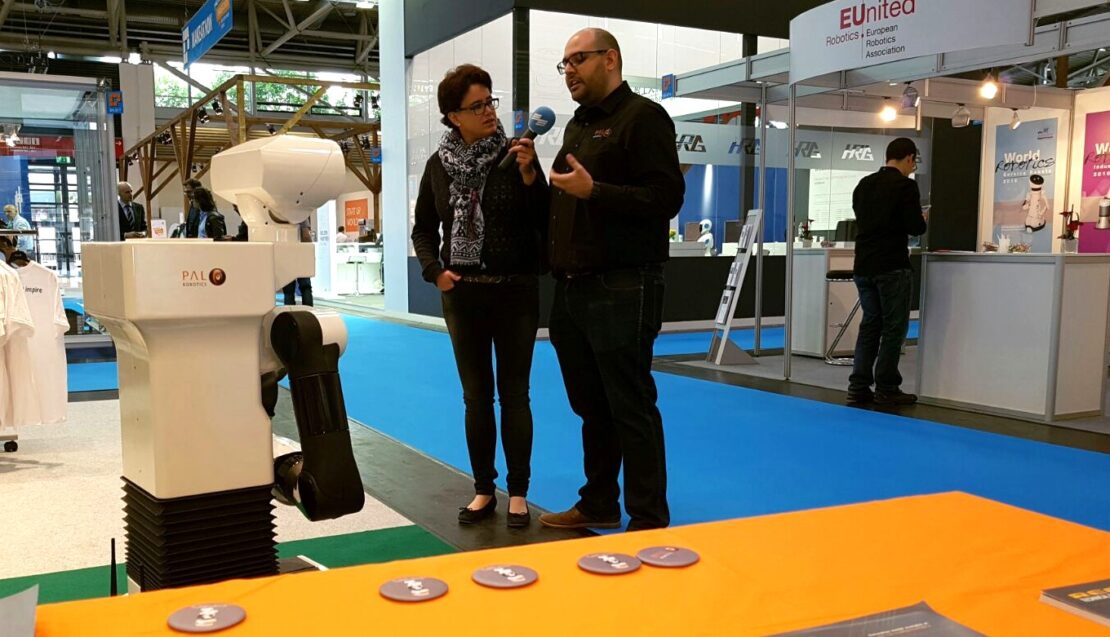
Carlos’ story reflects the spirit of PAL Robotics, where growth is shaped by hands-on experience and a shared drive to keep moving forward. From the early days of wearing many hats to supporting the company through new challenges, his journey is a reminder that people, not just innovations, are at the heart of what we do.